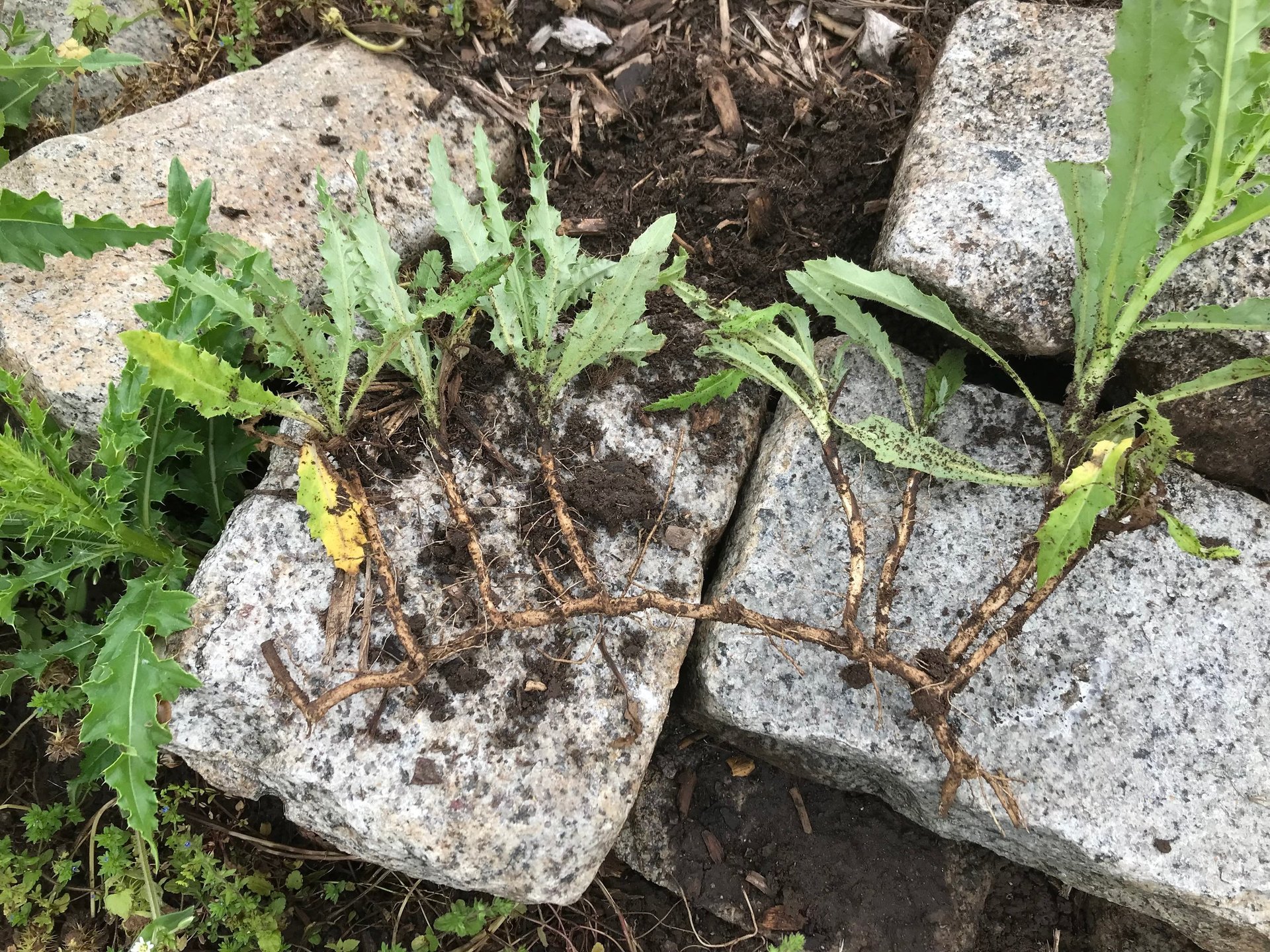
Control weed seeds—not just the weeds you can see.
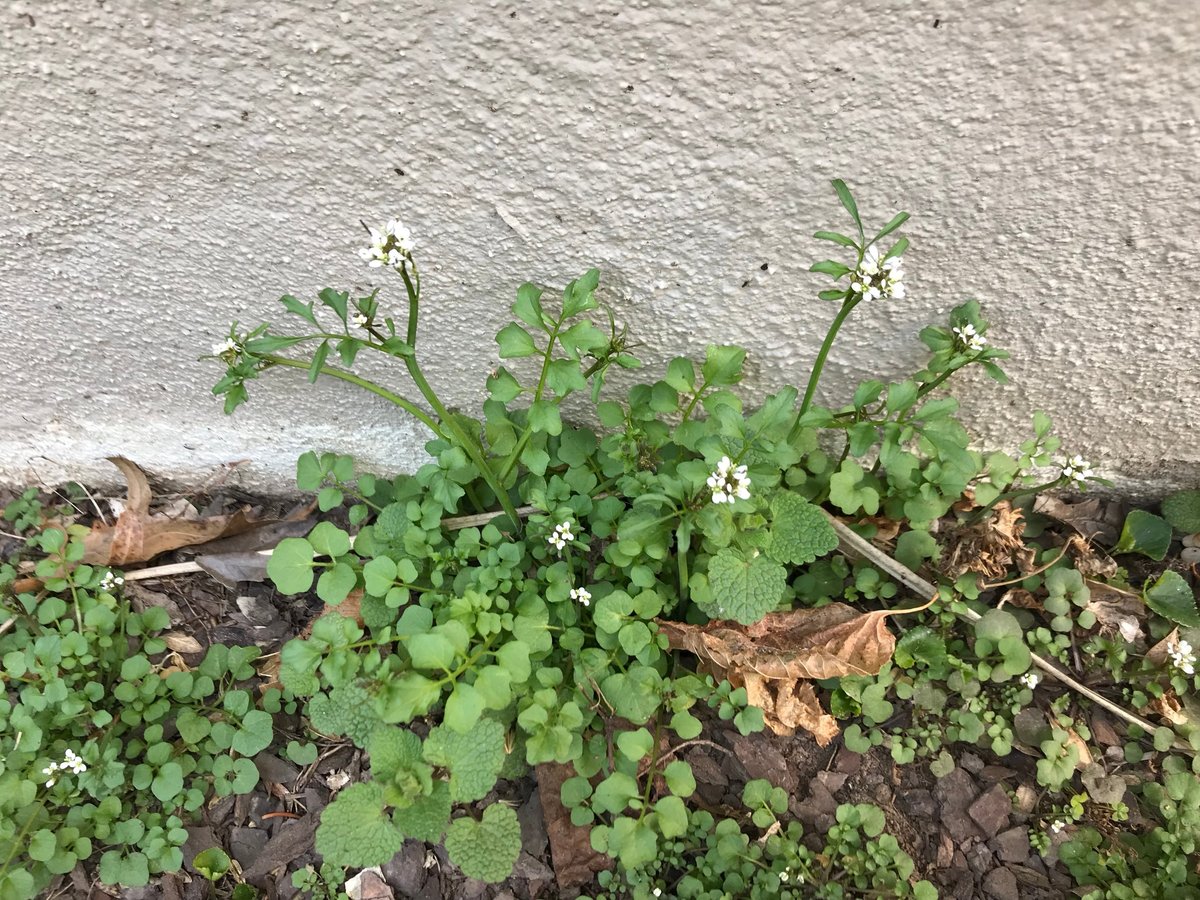
Shot Weed, a perennial weed, comes into seed very early in Spring. Pull this one before it spreads thousands of seeds.
Years of maintaining display gardens taught me one of the most important lessons in gardening: control weed seeds—not just weeds.
Whenever possible, cut weeds at the soil surface instead of pulling them. Pulling disturbs the soil, bringing dormant weed seeds to the surface where light and moisture allow them to germinate. Less soil disturbance means fewer weeds throughout the season.
If you're planning to add or move plants, do all your planting and transplanting first. Then leave the soil undisturbed for the rest of the season.
Some weeds, such as annuals that are about to set seed, should be pulled before they spread. Others, including Canada thistle, mint, and lily-of-the-valley, spread by underground roots and require digging to remove completely. Fall is the best time to tackle these persistent plants.
Once planting and weeding are finished, apply a pre-emergent herbicide (such as Preen®) and then mulch. Think of the pre-emergent as a protective barrier over the soil—if you disturb the soil afterward, you break that barrier and reduce its effectiveness.
"These practical weeding techniques—and my favorite tools—are covered in the Living Garden Workshop this September."
Explore more timely tips and expert resources
Back to Learning Center