A time-tested approach to creating and maintaining healthy gardens with less effort
I've maintained more than 4,000 square feet of perennial gardens, and two acres of ponds for weekly public tours more years than my joints care to remember. Between that and the nursery work, you can imagine that it would get pretty overwhelming, especially in Spring.
So I have come up with a step-by-step recommendation to keep your maintenance nightmares to a minimum. If you follow these steps, you'll be amazed at how much easier your summer chores will be, how much healthier your plants are, and how few chemicals you use.
"I have a client who took my class many years ago, and has beautiful gardens all around her house. She's told me about her curious neighbors who come by every evening, and swear that she sneaks out in her gardens at night to weed. How else can she keep them looking so good?!"
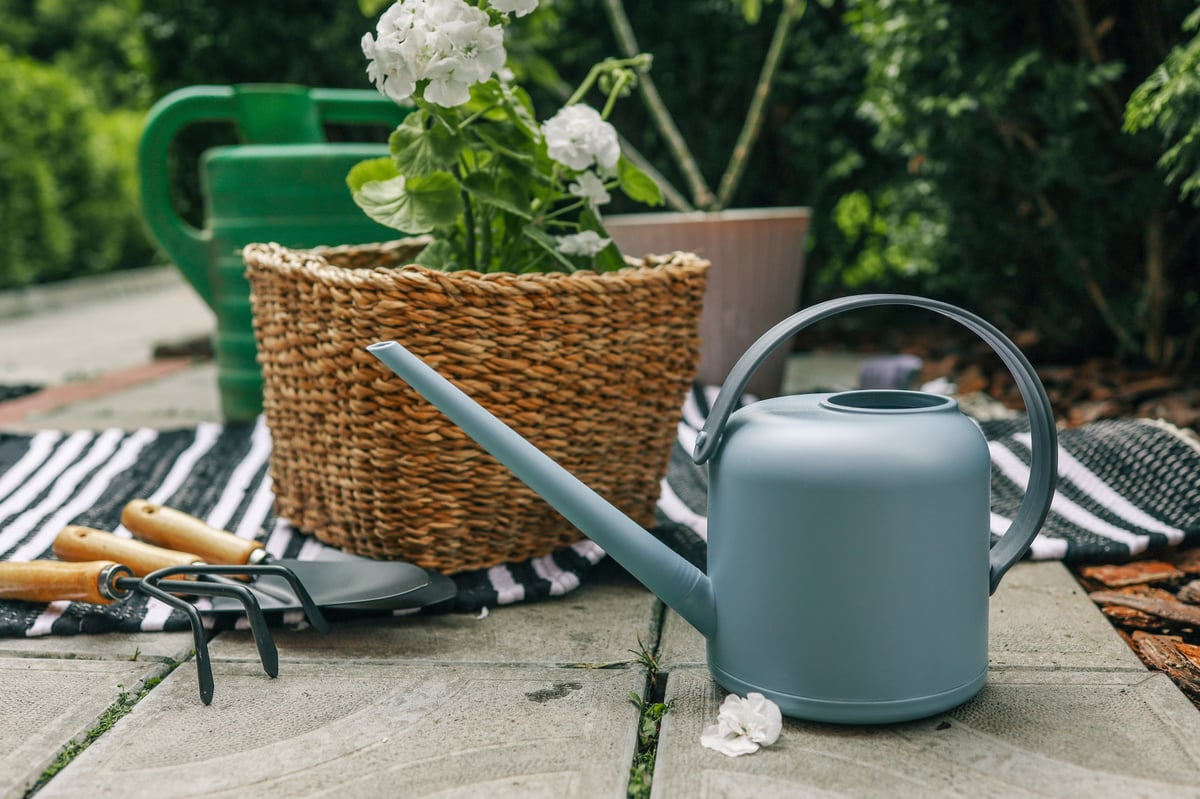
It is vitally important for perennials to be cut down and cleaned out in the FALL (I have a list available of which perennials should be cut down in fall), but if you did not get it done then Spring is your time to really get squeaky clean.
Spent plant material and tree leaves left to decompose in the garden can create more insect problems and many disease problems. Most plant diseases are soil-born.
Gently rake out the garden. Never step into your garden in early spring when the soil is still very wet. You can do serious damage to the crowns of the plants, and it compresses the garden soil too much, restricting the root growth.
In upstate New York, where I am, it is best to wait until May or later to actually get into the garden to weed.
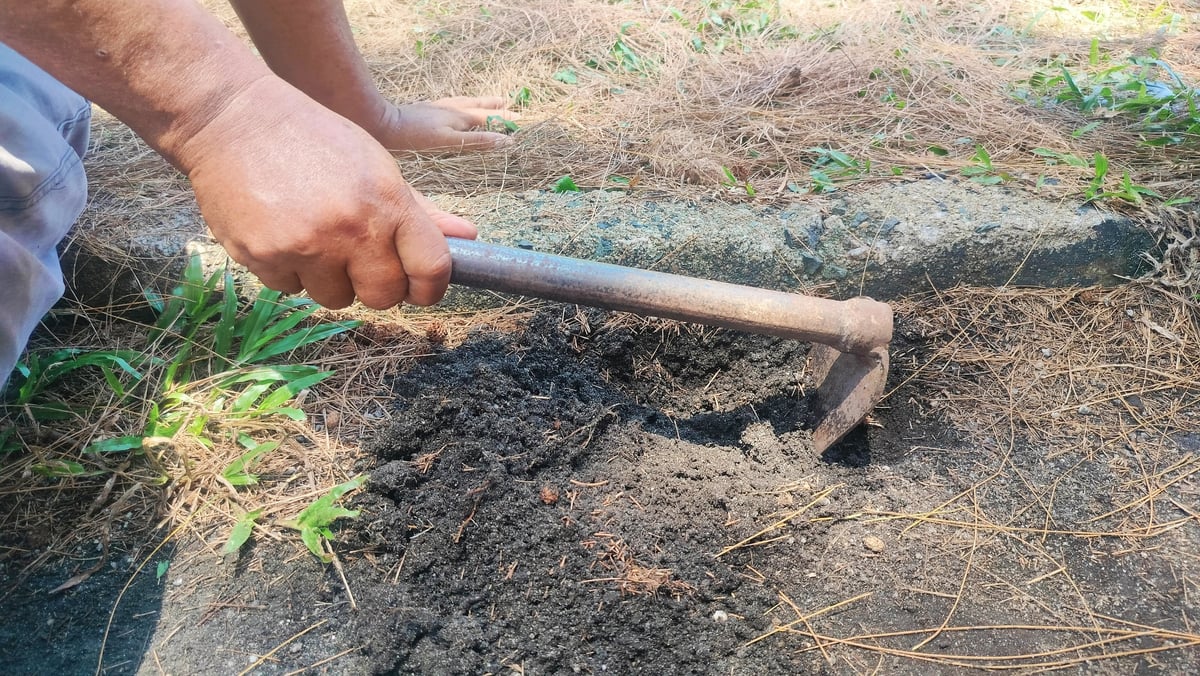
Use a sharp 'diamond hoe', 'swoe', or hand tool, and CUT THE WEEDS AT GROUND LEVEL. NEVER PULL AND SHAKE!!
Weed seeds remain dormant in your garden soil for hundreds of years, just waiting for you to come along and pull them up into the sunshine and rain! Have you ever noticed that about two weeks after you weed your garden, there's a nice fresh crop? Those nice cultivator tools do a masterful job of bringing out all those little devils.
Farmers cultivate their fields to keep moisture in the soil, NOT to kill weeds. My video shows you exactly how to do this.
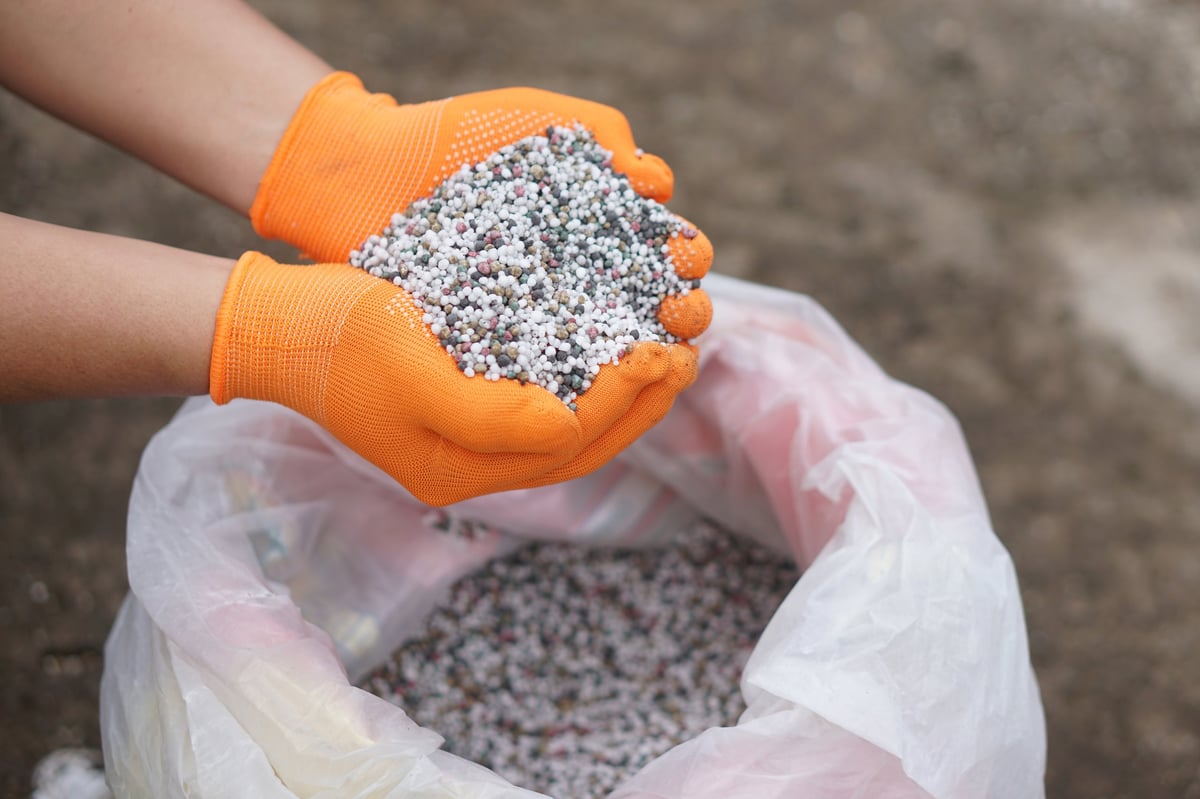
I know a lot of you are 'hooked' on liquid fertilizers, and in fact so are your plants. Liquid (foliage feeding) fertilizers are not the best way to go with perennials. They tend to create lush top growth without doing much for the crowns and roots.
The other problem is that we all start out like Martha Stewart in the spring, fertilize regularly, then we poop out. The plants will suffer a big sag if you don't keep the liquid applications coming on a regular basis.
I use only one kind of fertilizer for perennials, Osmocote, one application lasts the entire season. It's a slow-release fertilizer, and it gives the plants the strong roots they need to survive the winter, and lots of flowers.
Get a good commercial rated version. Do not be fooled by the cheaper imitations on the market, they don't own the patent, and they don't work as well.
Avoid watering perennials with overhead sprinklers. This tends to increase disease and fungus problems. They are not like house plants that appreciate misting their leaves. Perennial's foliage should be kept dry as possible.
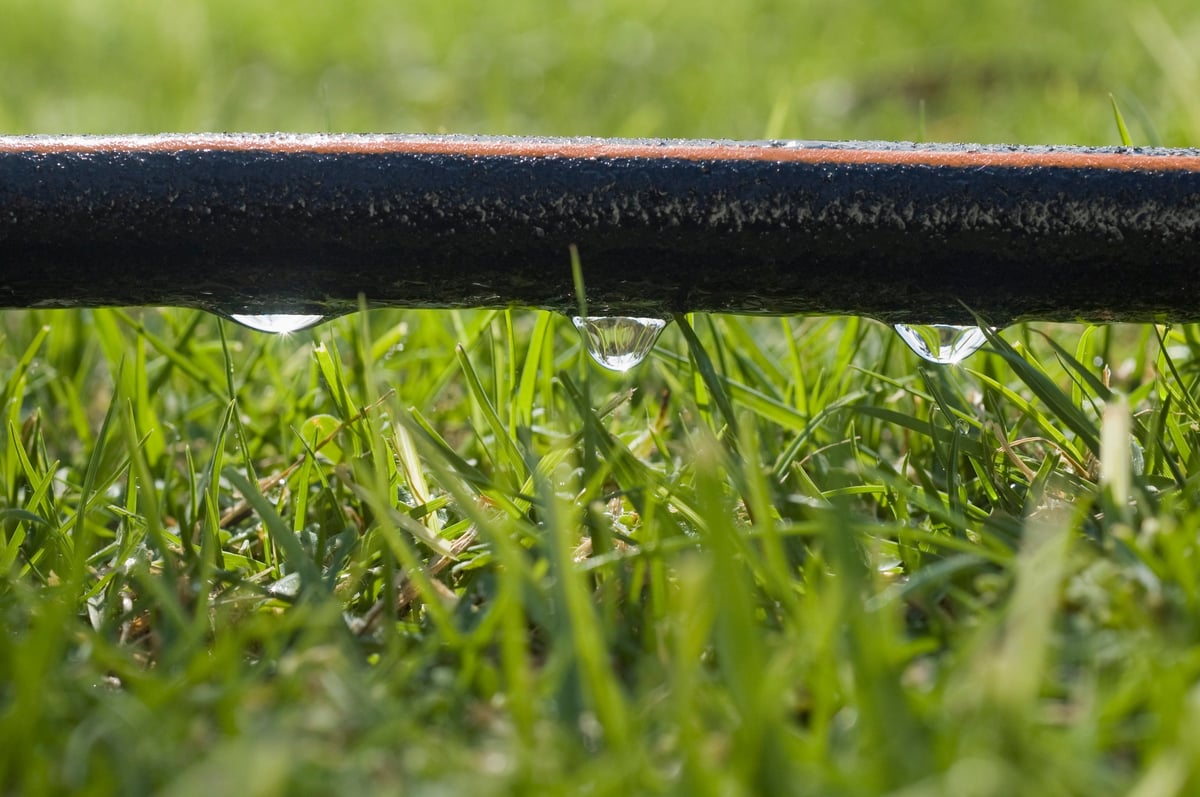
The best system to use is soaker hoses. It keeps the water in the soil, and it conserves water by avoiding evaporation.
Many don't realize that every time a plant wilts it is putting stress on the entire system, even though it may perk back up when you finally water. This can weaken the plant so that it may not make it through the winter.
The rule of thumb for perennial gardens is one inch of water (rain) per week. Shade gardens need TWICE as much!
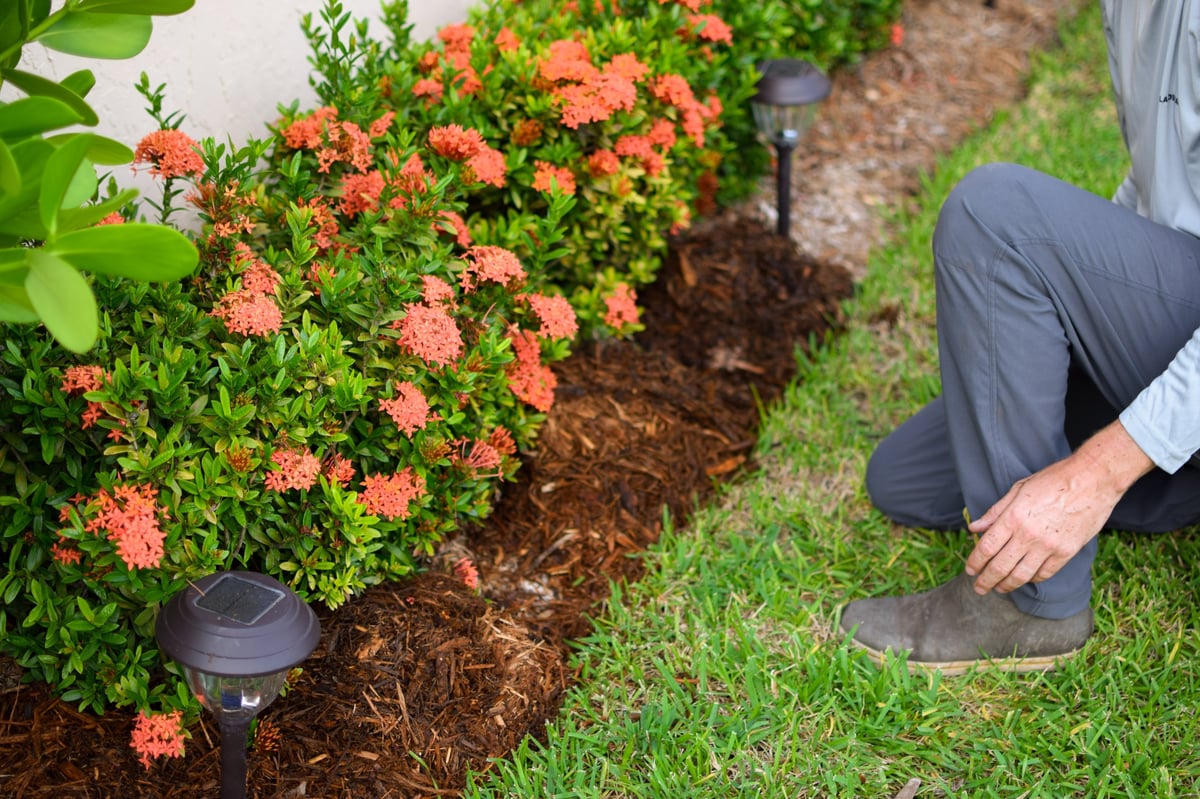
We mulch a perennial garden to help keep moisture in the soil, and to keep the weed seeds from germinating. Using a composted material also helps to enrich the soil and improve the texture as it works in each year.
NEVER EVER use wood products on perennials! As the wood decomposes, it depletes the soil of nutrients (mostly nitrogen) which is what flowering plants need the most.
You only need to mulch 2-3 inches and never over the tops of the crowns of the plants. Keep the mulch well away from the crowns.
Mulch with these materials in order of preference:
Free and nutrient-rich
Excellent for soil health
Lightweight and attractive
Like Nutribrew
I have a 40 minute video that shows you exactly how to do these steps and also gives you many more gardening tips.
Get the Video© 2026 Gardening Resources. All rights reserved.